Type
Location / Name
Description
Action

Mount Hotham Alpine Resort has been incrementally destroying habitat for Critically Endangerd Alpine She-oak Skinks and Alpine Tree-frogs and other threatened alpine skinks to build or extend ski resort infrastructure, including car parks, for many decades. The most recent occurrence was reported over the 2025/26 summer. The resort engages favoured environmental consultants to conduct pre-construction assessments but they ignore published scientific papers and reports and the advice of species experts who warn against the incremental impacts of the loss and fragmentation of these species' habitats.

Victoria has reduced its frontline fisheries compliance capacity, with cuts to Fisheries Officers responsible for monitoring and enforcing fisheries rules across our bays and waterways.
At Mallacoota, there is now just one Fisheries Officer remaining, down from four positions following cuts by the Victorian Fisheries Authority in May 2025. Fisheries Officers are required to work in pairs for safety, raising a serious question about the capacity to undertake frontline compliance and enforcement when there is only one officer available.
Marine Parks are safe havens for abalone and other marine life, helping replenish nearby fish stocks for recreational fishers and preventing overfishing. Marine Sancturaries need Fisheries Officers to patrol and protect them.
Responsible Body:
Victorian Fisheries Authority
Date of Instance:
May 2025 till present
Source:
The Government's pushed a new Bill (proposed to be called the Fishing, Hunting and Outdoor Victoria Bill) which will establish a 'Land Access Panel' to provide advice on getting additional access to public land and waters for recreational use (and we are not talking bird watching). The Bill does not require the advisory body to include members with conservation expertise, nor does it place a statutory duty on the body to protect nature or provide independent oversight of environmental outcomes.
Responsible Body:
The Minister for Environment and Outdoor Recreation
Date of Instance:
7/1/2026
Source:
The Victorian Fisheries Authority is cutting more than half its frontline fisheries compliance officers across the state, with the heaviest impacts in Port Phillip Bay and Western Port Bay. Two fisheries stations are closing. The cuts strip enforcement capacity across busy marine waters and Victoria's marine national parks, leaving illegal fishing and poaching harder to detect and stop. Marine habitats and wildlife depend on the enforcement these officers were doing.

The Victorian Government transferred responsibility for managing national parks, marine national parks and other protected areas along the Great Ocean Road from Parks Victoria to the Great Ocean Road Coast and Parks Authority (GORCAPA), despite GORCAPA having little experience managing protected areas and a primary focus on tourism and recreation.The plan was for Parks Victoria staff to move across to GORCAPA to manage these parks. However, most of those staff left Parks Victoria or secured other roles before the transfer took place. As a result, only a small number of staff actually moved to GORCAPA, leaving the authority without enough experienced personnel to effectively manage the parks now under its care.
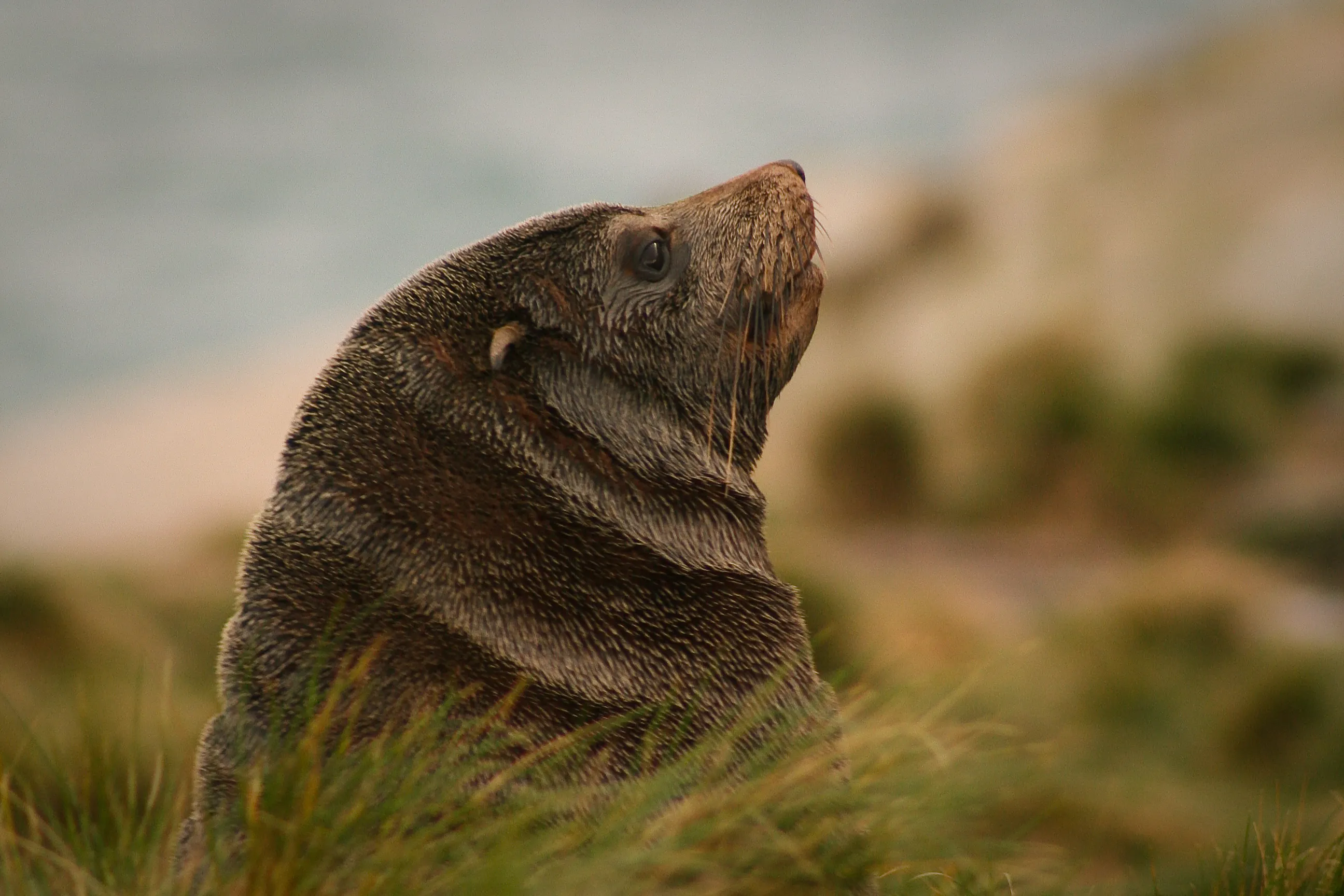
The Allan government is proposing to cut 70 full-time at Zoos Victoria including within its conservation, wildlife hospital teams, as well as the critical Marine Response Unit that deals with sick, injured and entangled marine wildlife such as Whales and Seals.
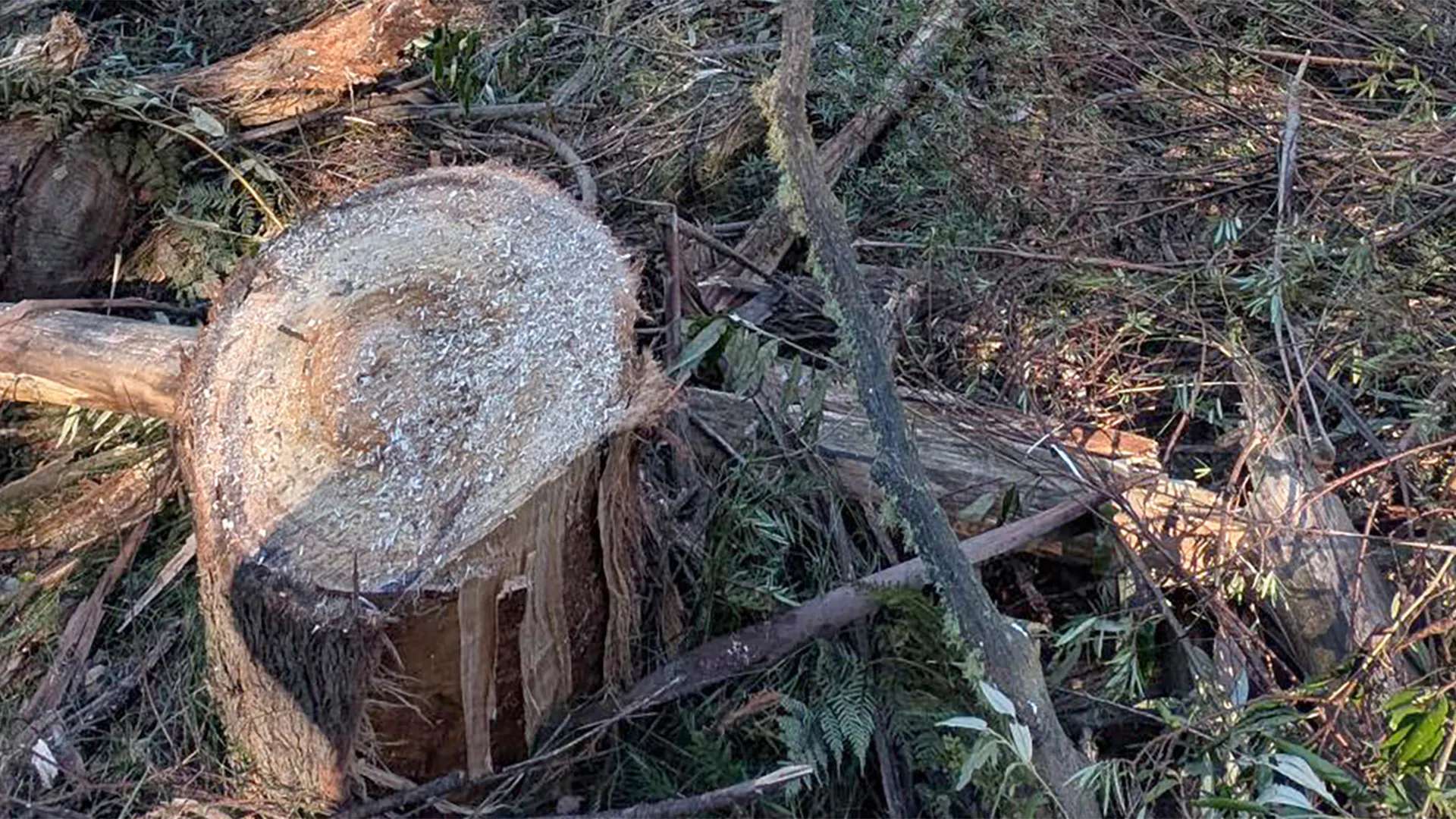
After Macedon Ranges Council refused a planning permit to clear threatened snow gum woodland at Mount Macedon, Parks Victoria took the proposal directly to the Victorian Planning Minister, asking for it to be approved as a project of State significance. Parks Victoria argued that the Memorial Cross's Victorian Heritage listing required views to Melbourne to be maintained. However, Heritage Victoria publicly rejected this claim, confirming that the heritage listing neither protects nor even mentions those views. An independent review by the National Trust of Australia reached the same conclusion. Despite this, Parks Victoria went ahead with clearing the threatened vegetation and poisoned the remaining tree stumps to prevent them from regrowing. If Victoria's own conservation agency can clear threatened native vegetation using a heritage justification that the relevant authorities say doesn't exist, what does that mean for the protection of nature across the state?
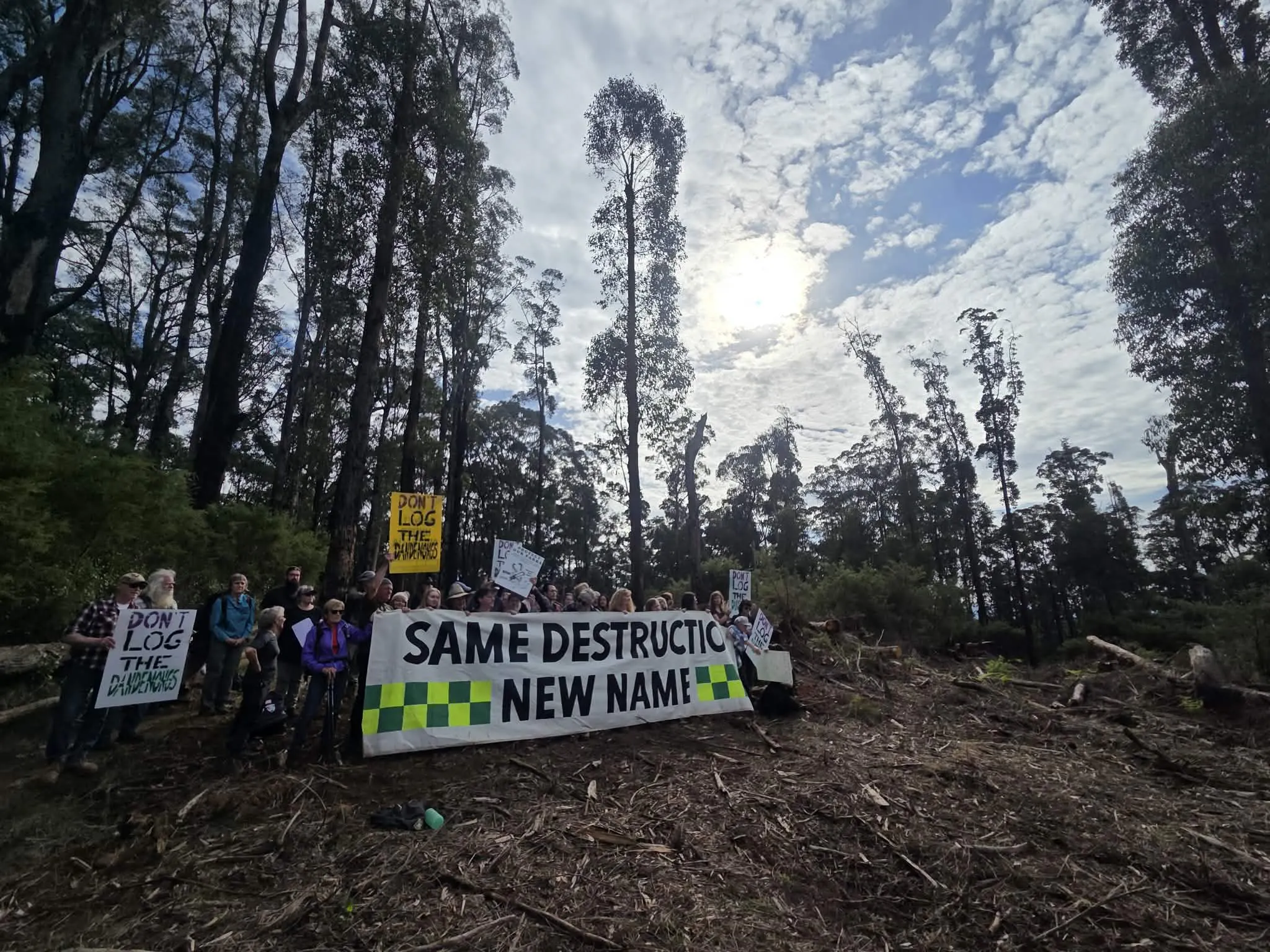
Forest Fire Management Victoria has cut down areas of forest inside Dandenong Ranges National Park, calling the operation a forestry transition project. The area was recovering from damaged by windstorms in 2021. And now that recovery has been smashed. Heavy machinery has disturbed recovering habitats, with documented impacts on wildlife, soil stability and habitat structure. Removing the trees sets back the regeneration of a national park rather than aiding it.
Responsible Body:
Department of Energy, Environment, and Climate Action (DEECA), Forest Fire Management Victoria (FFMV)
Date of Instance:
12/1/2022
Source:
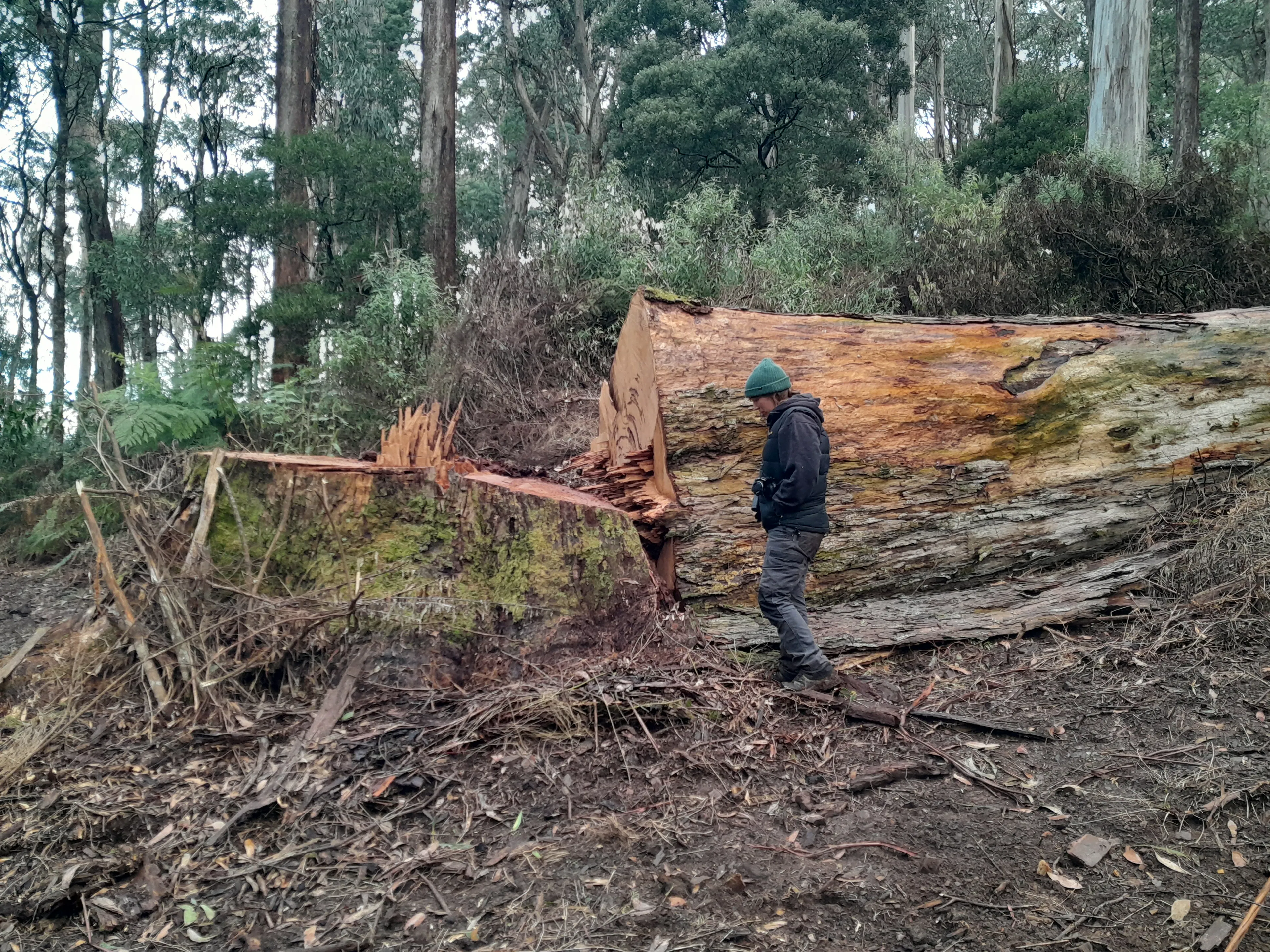
In Yarra Ranges National Park, FFMV is using fuel management loopholes to cut down old hollow-bearing trees. This destroys critical habitat for wildlife threatened with extinction, like Greater Gliders and Leadbeater's Possums, which depend on these ancient hollows for survival.
Responsible Body:
Department of Energy, Environment, and Climate Action (DEECA), Forest Fire Management Victoria (FFMV), Environment Minister
Date of Instance:
5/1/2024
Source:
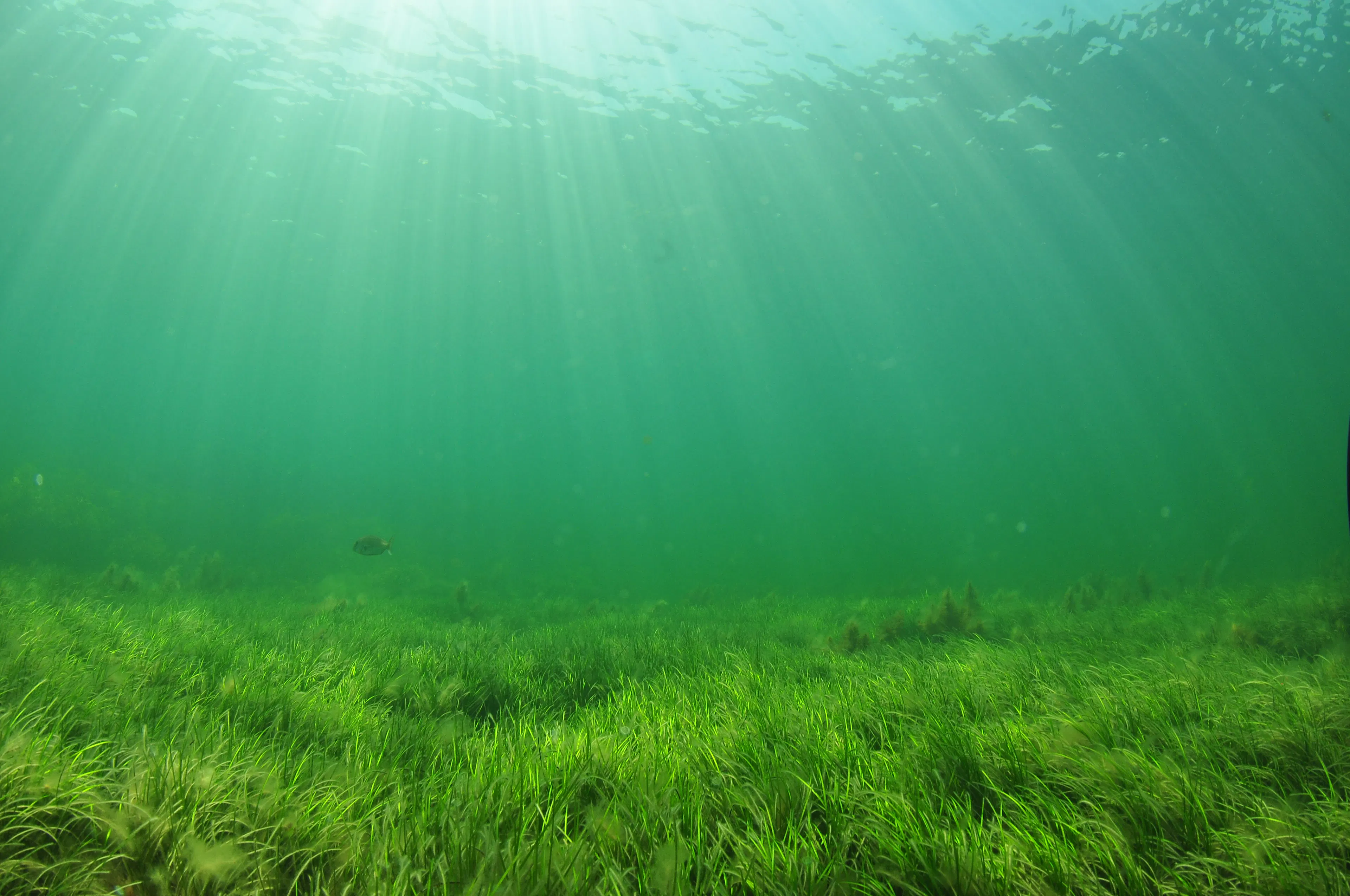
The Victorian Marine and Coastal Council has been abolished, as part of the Allan Government's review of the Victorian public service. The Council is the independent body providing expert advice to government on marine and coastal policy, covering coastal erosion, algal blooms, oil spills and the climate impacts hitting Victoria's coasts. It was axed using legislation that also introduced cuts to other nature protection institutions. The Council's removal leaves marine and coastal policy decisions without independent expert input.
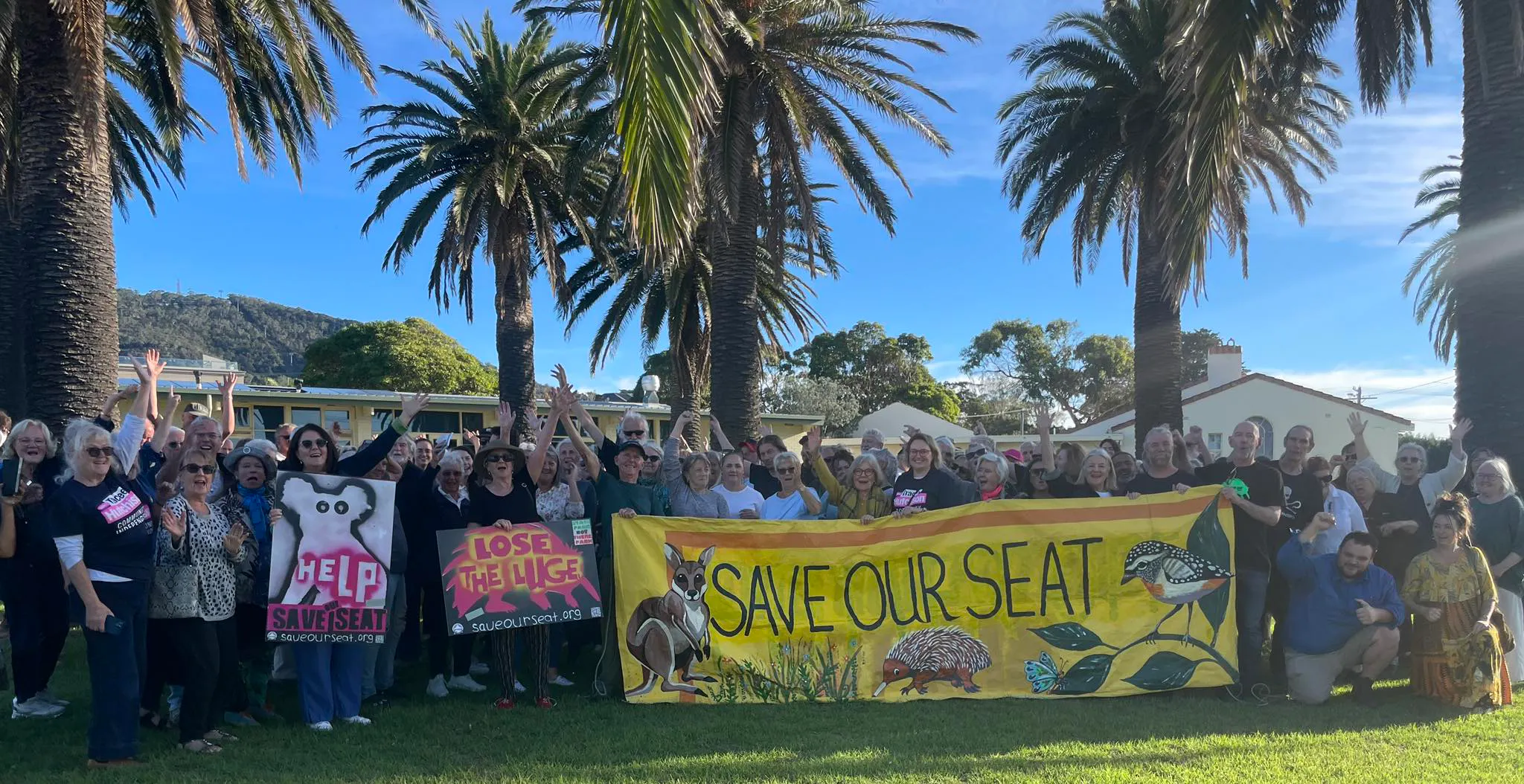
A rollercoaster-style luge has been approved in Arthurs Seat State Park by the Planning Minister, despite strong local opposition. The development turns a protected landscape into a major commercial attraction, raising serious concerns about impacts on wildlife and habitat fragmentation. Local voices were ignored, while critics say the decision prioritises tourism infrastructure over nature protection in a state park meant to protect wildlife.
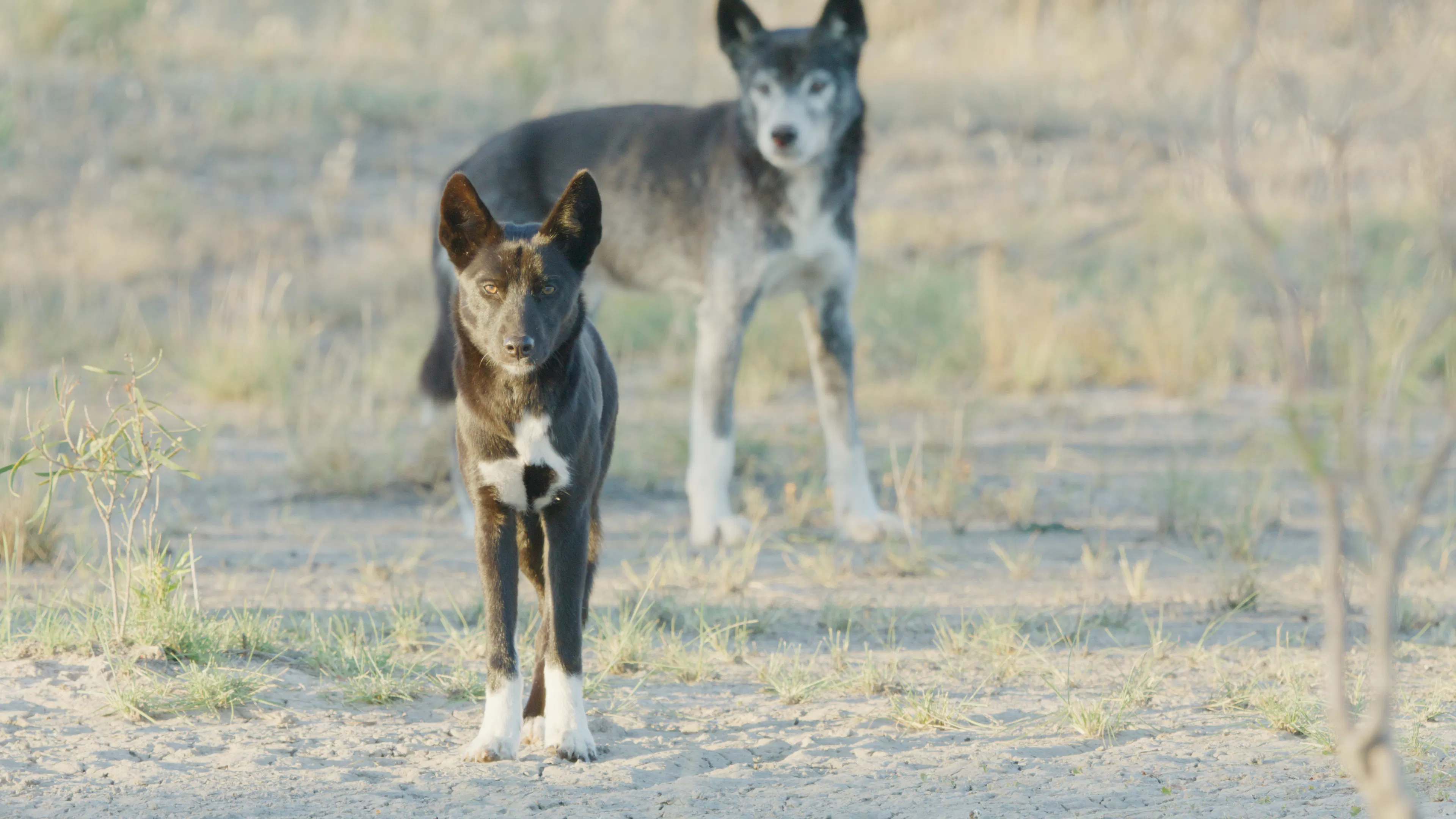
In September 2024, the Victorian Government extended dingo culling on public and private land until 1 January 2028. The order overrides the dingo's threatened species status under state law and expands the culling zone in eastern Victoria by more than 260,000 hectares of private land. At least 468 dingoes were killed last year alone, from an estimated population of 8,800 in the region. Dingoes play a critical ecological role as apex predators and hold deep cultural significance for First Nations communities. Conservationists warn the policy could push alpine dingoes toward extinction, particularly small, genetically fragile populations such as those in the Big Desert.
Responsible Body:
Department of Energy, Environment, and Climate Action (DEECA) / Environment Minister
Date of Instance:
September, 2024
Source:
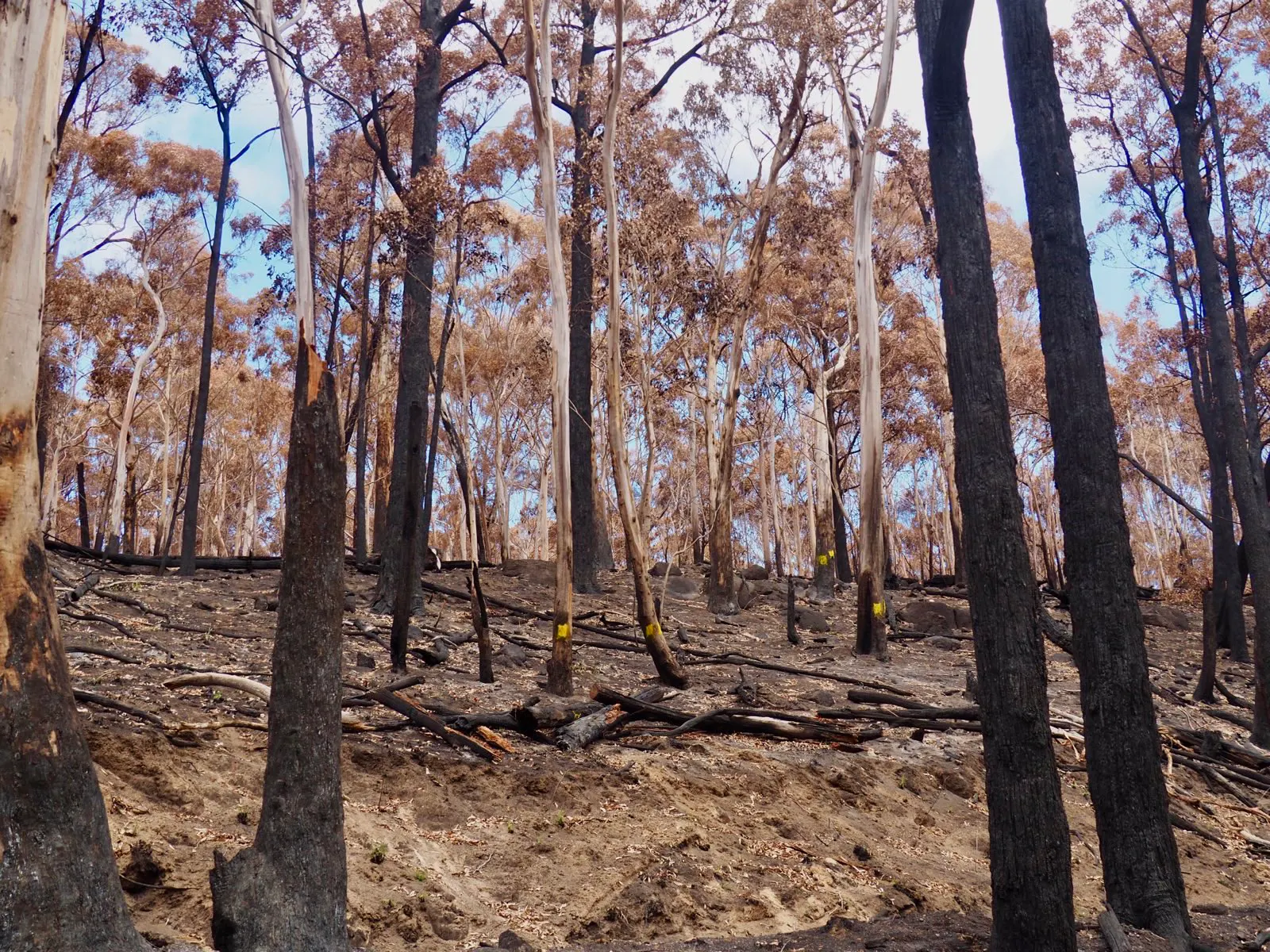
Forest Fire Management Victoria burns over 100,000 hectares of forest in Victoria each year, with growing scientific evidence that broadscale planned burning at this scale may increase fire risk rather than reduce it. The burns destroy wildlife habitat, produce heavy smoke impacts on regional and metropolitan communities, and place additional pressure on habitats already under stress from logging, climate impacts and habitat fragmentation.
Responsible Body:
Department of Energy, Environment, and Climate Action (DEECA), Forest Fire Management Victoria (FFMV)
Date of Instance:
Ongoing
Source:
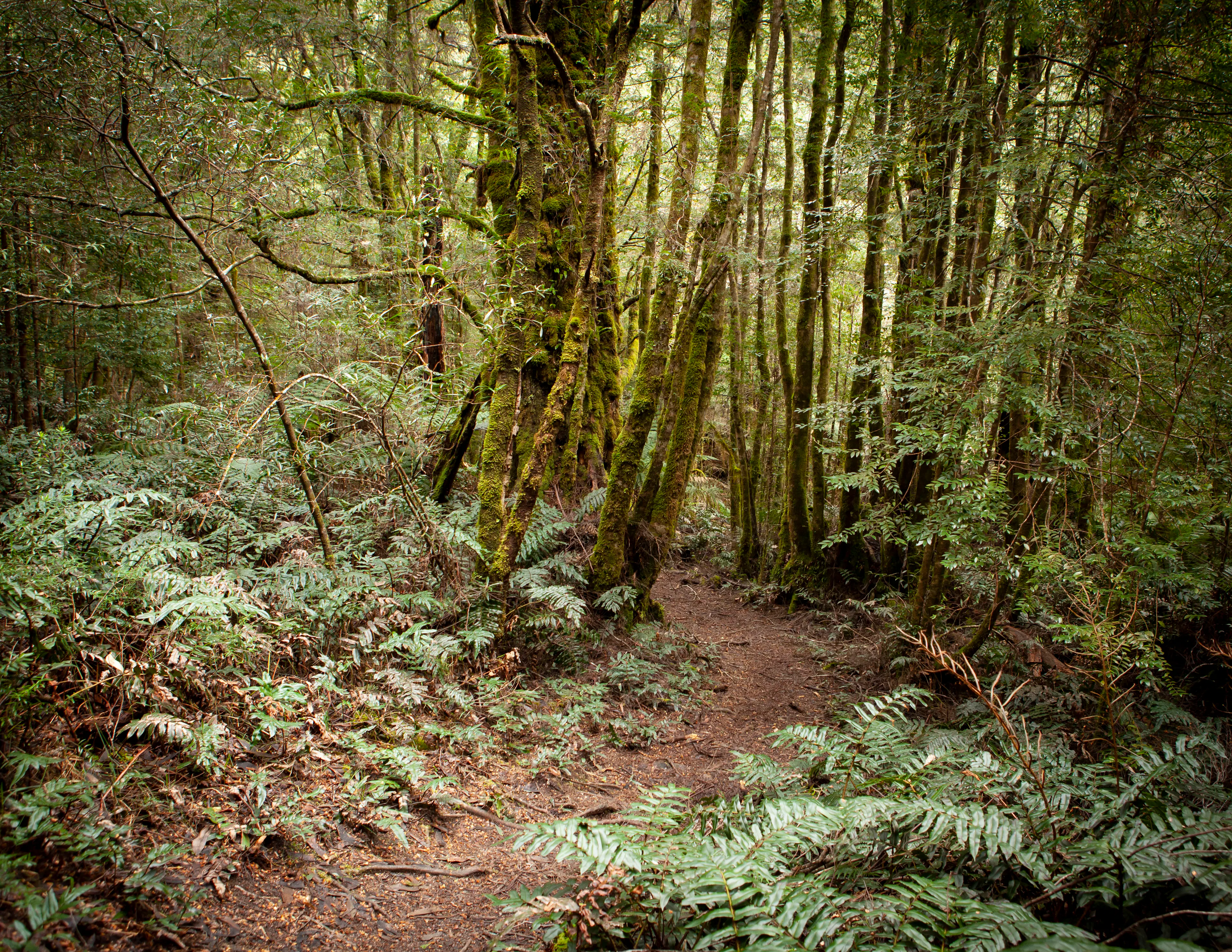
The Allan Government has confirmed it will not proceed with the Great Forest National Park, the proposed park that would have connected and protected fragmented forests across Victoria's Central Highlands. Years of community, scientific and conservation campaigning are behind the proposal, which would have provided landscape-scale protection for some of Victoria's most important forest habitats. Without the park, those forests remain unprotected at landscape scale.

The projects involve cutting down hundreds of big old trees to make way for new infrastructure, which will send in just enough water to keep select parts of the floodplain on life support with levees and regulators. While some River Red Gums will be given the water they need, other habitats may be completely drowned, and some places will miss out on getting water at all. These projects will turn dynamic mosaics of floodplain habitat into big irrigation bays.

In 2017, the Victorian Environmental Assessment Council recommended reviewing Victoria's network of marine national parks and sanctuaries. Since then, the Victorian Government has maintained a policy of creating no new marine national parks. Victoria has the lowest level of no-take marine protection of any Australian state, with only 5% of waters fully protected. This leaves marine habitats and wildlife vulnerable.
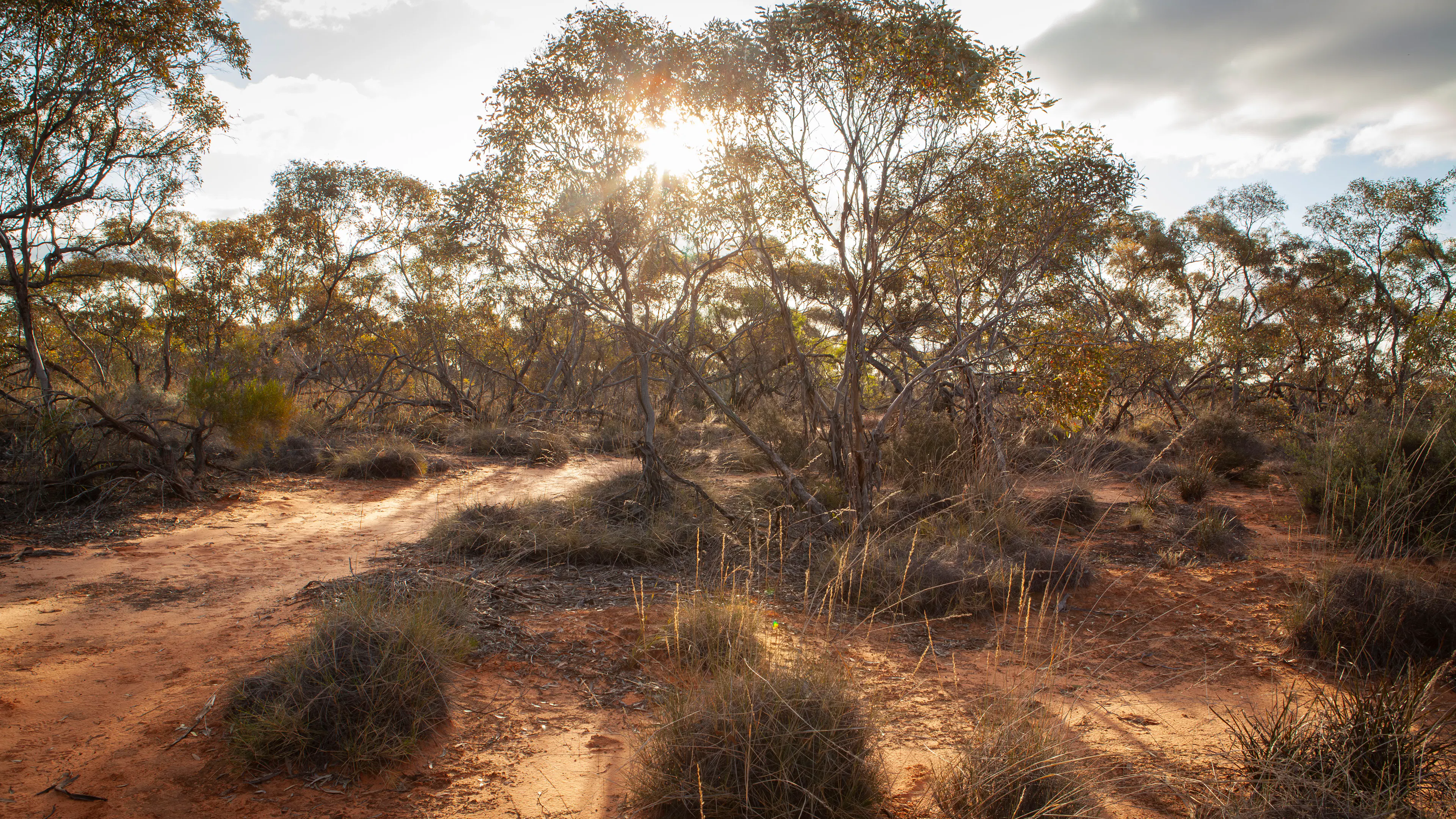
Parks Victoria manages the state's national, marine, state and wilderness parks. The agency has been systematically defunded since 2023-24. Its 2024-25 annual report records 801.1 ongoing full-time positions, the lowest level since the agency's first annual report in 1997-98. A $94 million funding cut in the 2025-26 budget forced a major restructure resulting in the loss of more than 100 experienced staff; Sixty-one new ranger roles have since been filled at base grade with no minimum qualification requirements.
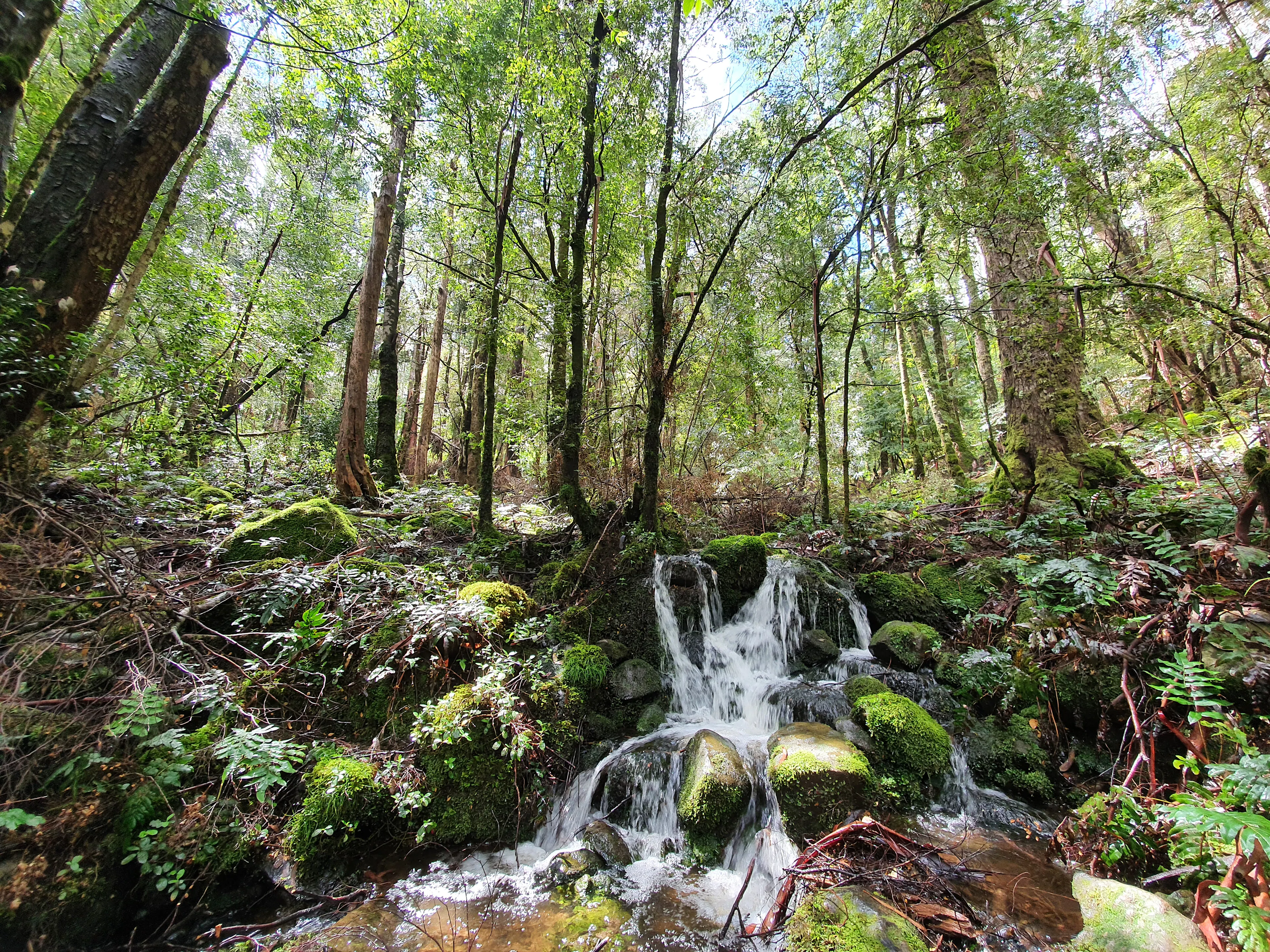
The Victorian Department of Energy, Environment and Climate Action has rejected expert advice to grant critical habitat protection for the Mount Donna Buang Wingless Stonefly. Despite strong scientific evidence, the decision leaves this critically endangered insect exposed to threats like climate change and fire. Without formal habitat protection, its already tiny population faces a heightened risk of extinction, highlighting a failure to use available laws to safeguard Victoria’s most vulnerable wildlife.
Responsible Body:
Department of Energy, Environment, and Climate Action (DEECA), Environment Minister
Date of Instance:
3/1/2024
Source:
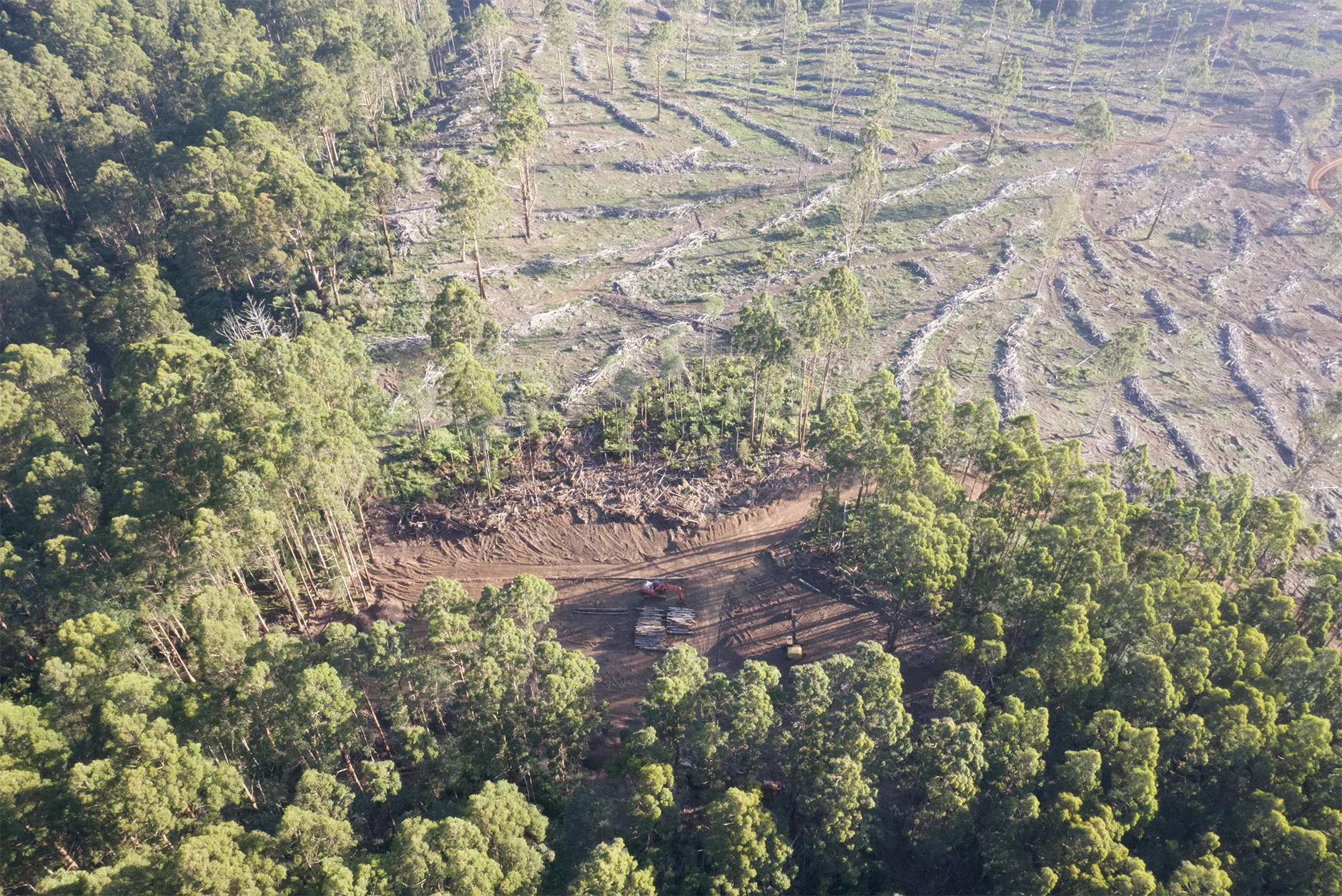
Private land logging is the major loophole in Victoria's logging ban. Native forest logging ended on public land in 2024, but forests on private property can still be cleared, often with limited oversight. A Victorian Civil and Administrative Tribunal case led by Wildlife of the Central Highlands currently challenges logging near Warburton under a 1977 permit, arguing councils failed to consider impacts to wildlife threatened with extinction, including Leadbeater's Possums and Greater Gliders.
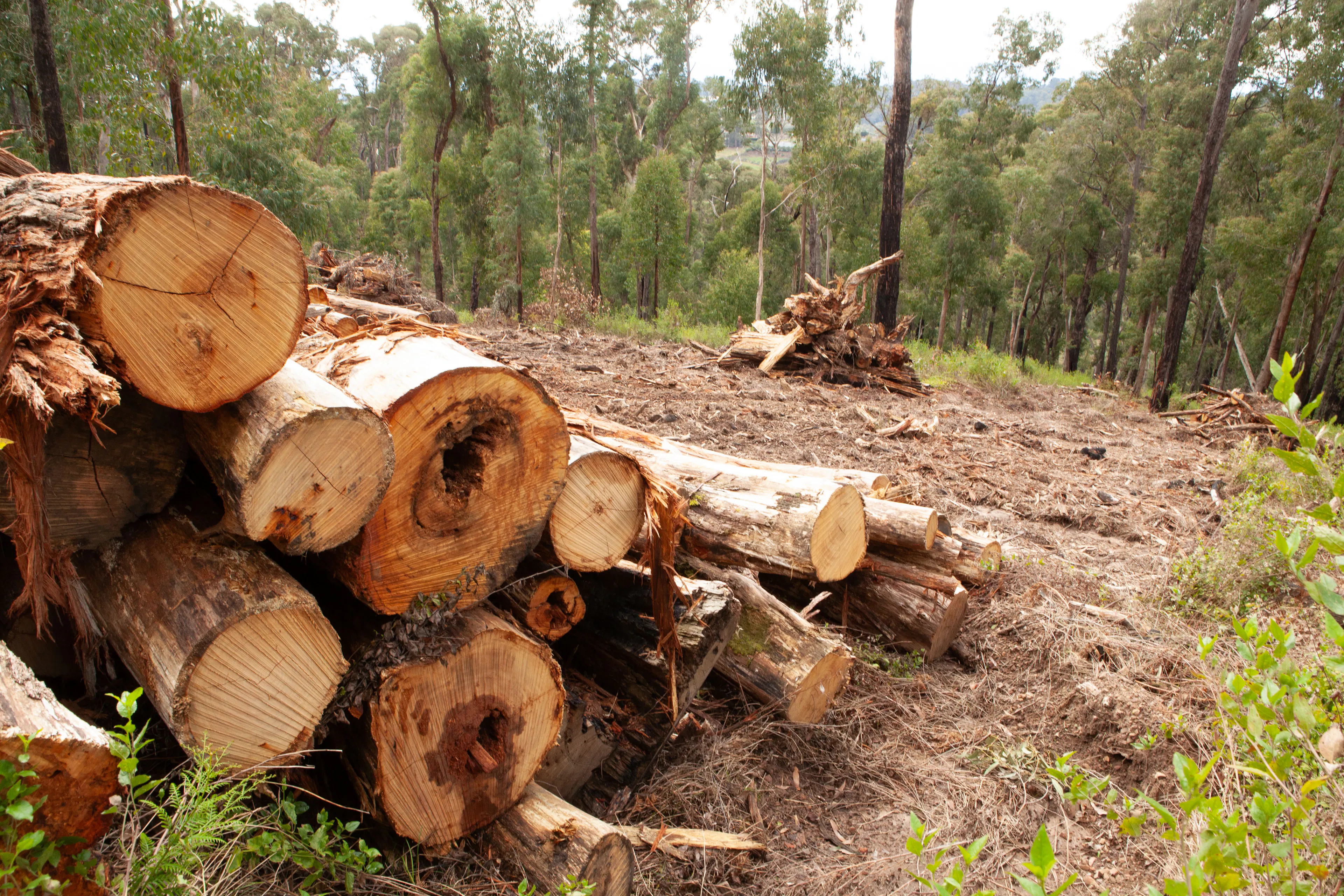
Native forest logging was supposed to end in January 2024. The Victorian Government promised to end commercial native forest logging to protect forests and the wildlife that depend on them. Now, the government is reinstating this damaging practice by stealth. The Allan government has released a State Forest By-Products Framework that effectively creates a loophole for a new form of incentivised logging and land clearing, with fewer protections than the industry it replaced, and no public consultation.
Responsible Body:
Victorian Government, Department of Energy, Environment, and Climate Action (DEECA)
Date of Instance:
21-Apr-26
Source:
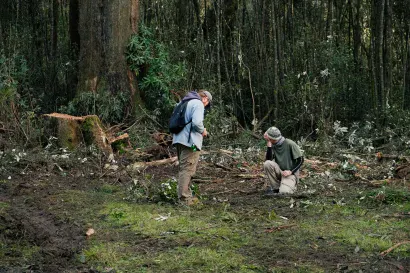
An endangered Greater Glider was killed in Yarra Ranges National Park by FFMV using fuel management loopholes to cut down ancient trees. Community members let authorities know the trees marked for removal had Greater Gliders living in them. They were cut down anyway, with devastating results.
Responsible Body:
Department of Energy, Environment, and Climate Action (DEECA), Forest Fire Management Victoria (FFMV), Environment Minister
Date of Instance:
5/1/2024
Source:
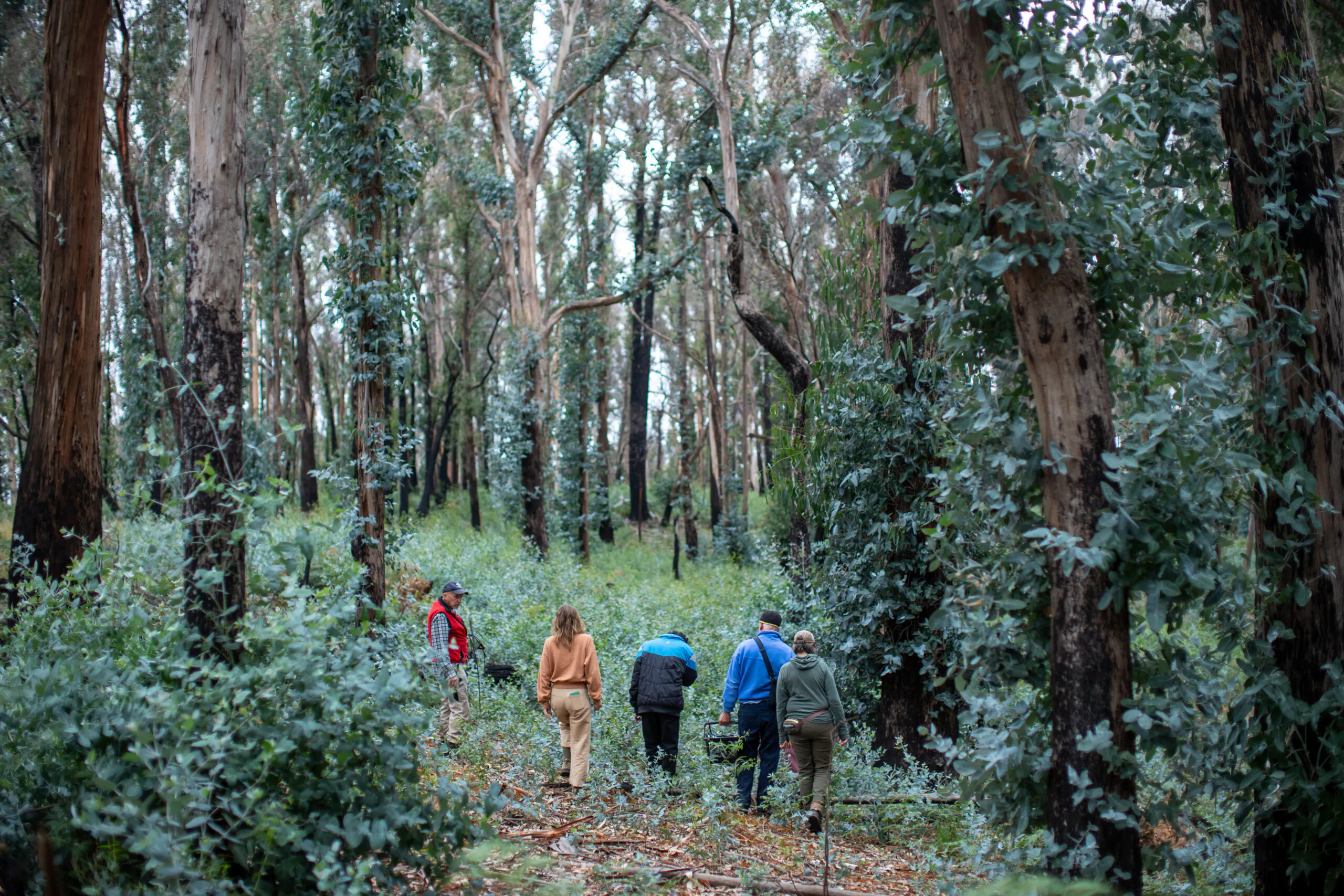
Forest Fire Management Victoria are smashing thousands of hectares of habitat in Wombat Forest, due to become a national park in late 2025. Just months after declaring the Wombat-Lerderderg National Park, hectares of recovering forest was flattened through a logging loophole disguised as 'storm clean-up'.
Responsible Body:
Department of Energy, Environment, and Climate Action (DEECA), Forest Fire Management Victoria (FFMV)
Date of Instance:
2022 onwards
Source:
Victoria’s Environment and Agriculture Ministers have ignored expert advice and refused to list 'salvage logging' of burnt native forests as a threatening process under nature laws. The independent scientific committee was clear — this practice harms already fragile habitats. By overruling the science, the government has dealt another blow to our forests, prioritising industry interests over wildlife, climate resilience, and the future of these irreplaceable landscapes.
Responsible Body:
Environment Minister, Agriculture Minister
Date of Instance:
2/1/2021
Source:
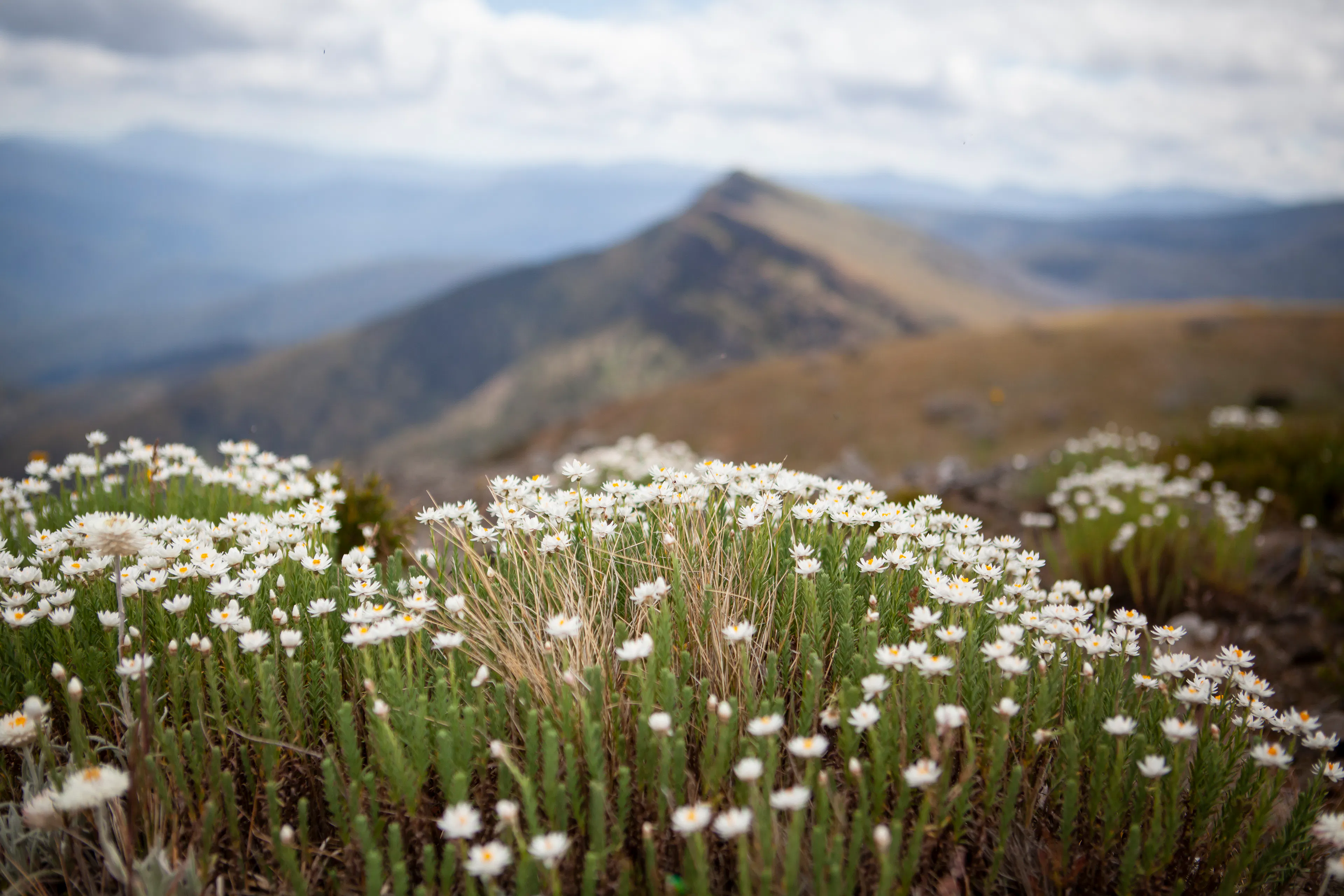
The Victorian Environmental Assessment Council (VEAC) has been instrumental in creating our national parks and protected areas for more than 50 years. It’s being largely abolished, with its functions handed to the Commissioner for Environmental Sustainability, reduced to a single public servant, with no independent council of experts. When expert bodies are cut, nature loses its independent referee. Short-term political and economic pressures can override long-term protection. Communities lose their voice in decisions about the places they love.
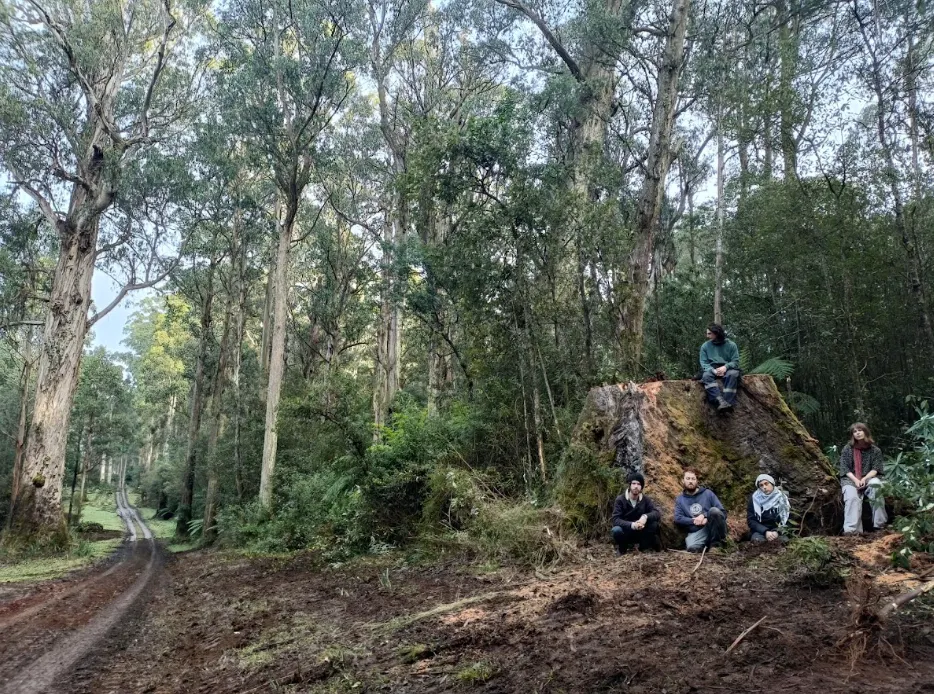
On 24 May 2024 Forest Fire Managment Victoria felled an ancient Mountain Ash tree in the Yarra Ranges National Park, even though the tree was at low risk of falling. This tree was 2.8 meters in diamter and should have been protected under state policies.
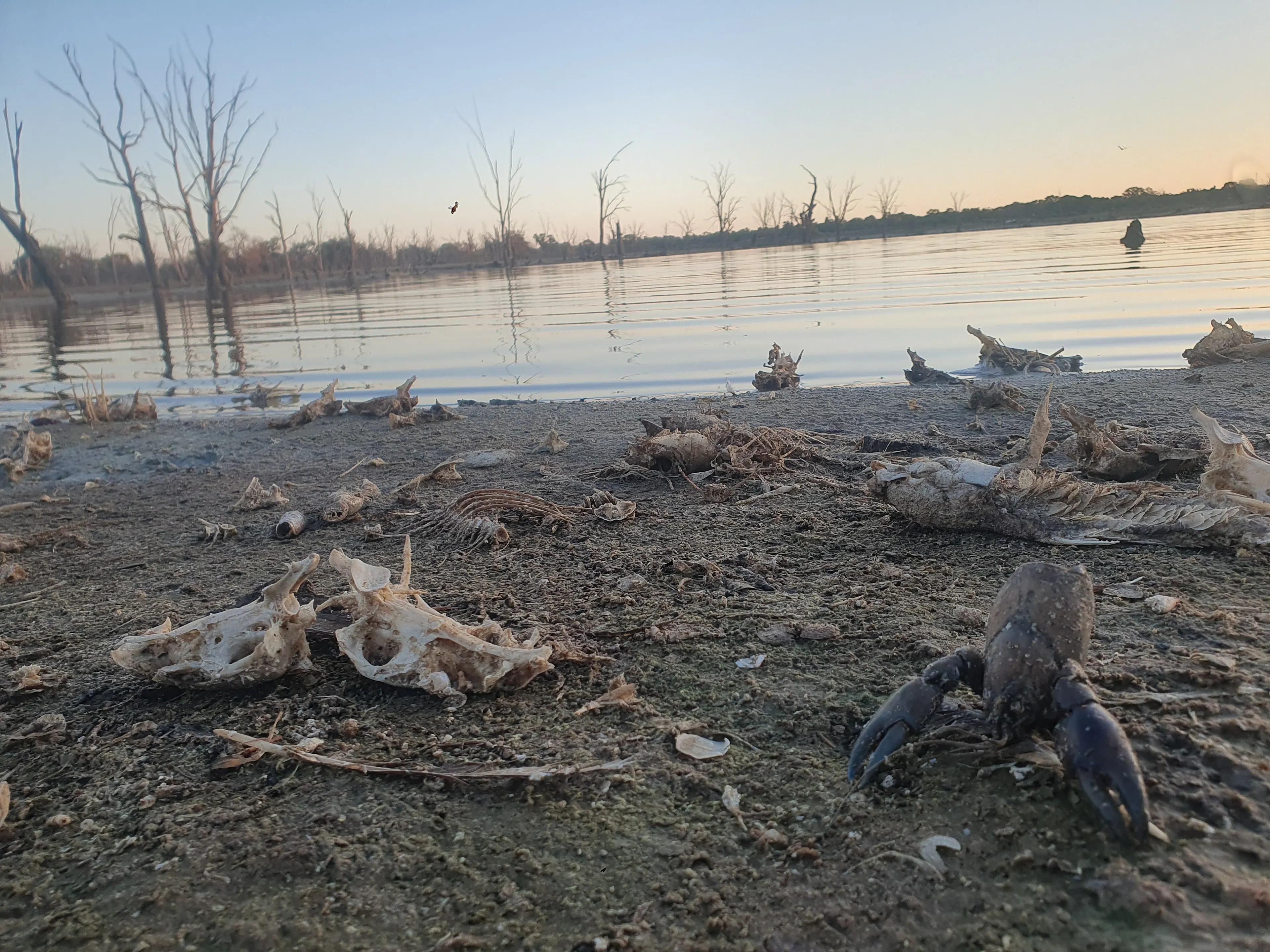
Australia’s largest river system, the Murray–Darling Basin, is in serious decline due to unsustainable water extraction for irrigation. Despite the 2012 Basin Plan, too much water is still diverted, leaving wetlands and habitats without enough water. Signs of stress include algal blooms, fish deaths, and declining biodiversity. Progress has been limited, with the Victorian government often pursuing costly, ineffective projects rather than meeting water recovery targets, contributing to the system’s ongoing deterioration.
Around 350 jobs are being cut from the Department of Energy, Environment, and Climate Action as part of a major restructure, significantly reducing Victoria’s capacity to look after nature and respond to increasing pressures from invasive species and climate change. The cuts directly impact bushfire and forest services, Agriculture Victoria, and regional land management teams. This further weakens already stretched on-ground capability, removing experienced staff at a time when habitats are under growing stress from logging, climate impacts and land-use change.
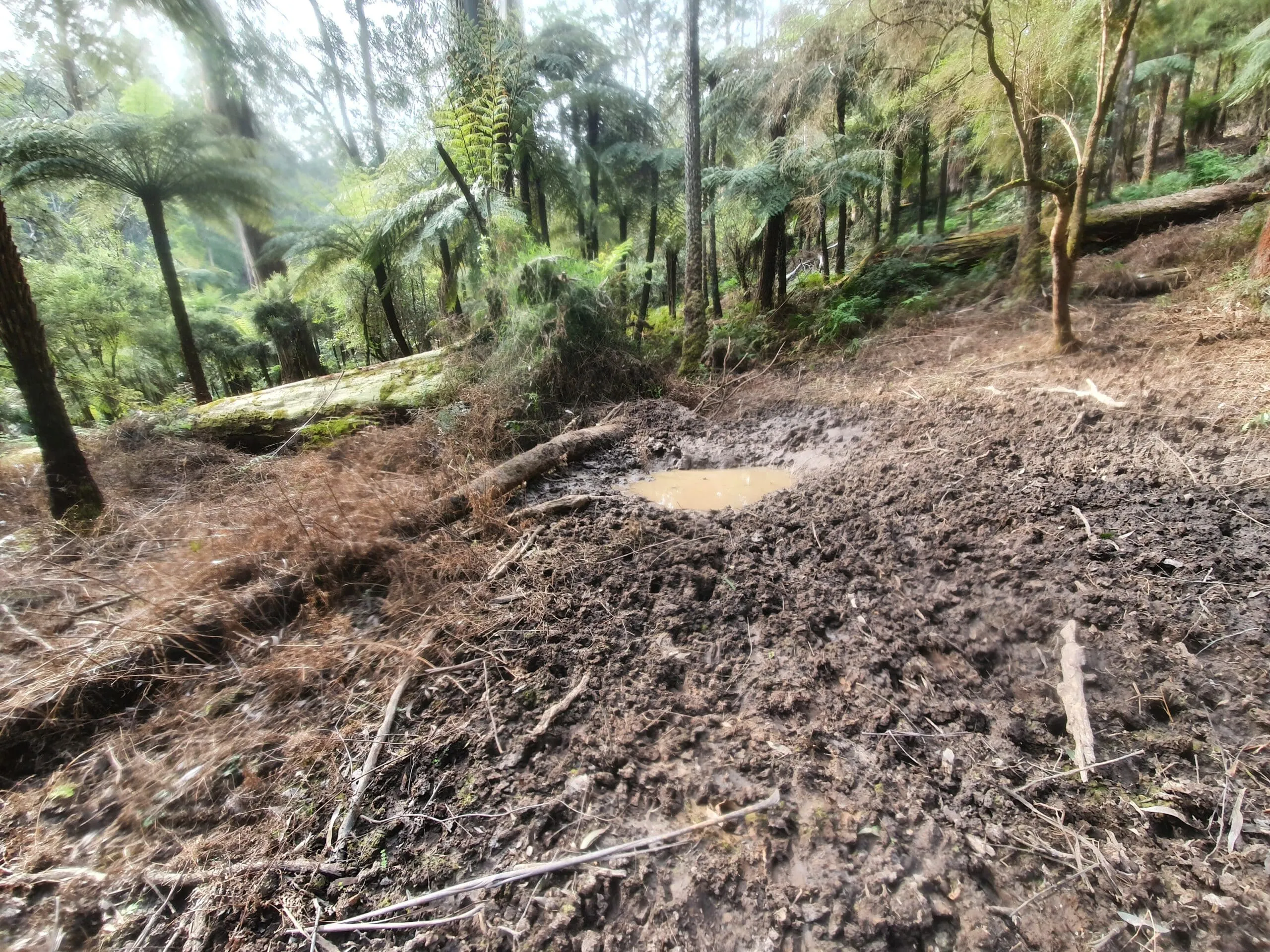
Victoria is the only mainland state that classifies deer as protected game rather than a feral pest, despite expert advice recommending otherwise. Deer are among Victoria’s most damaging invasive species, destroying native plants, trampling habitats, polluting waterways, spreading weeds and preventing natural regeneration. They're rapidly expanding across national and state parks, forests and increasingly in urban areas. This spread is causing widespread damage to nature and is also creating growing safety risks for communities, road users, and public spaces.
Responsible Body:
Victorian Government, Environment Minister
Date of Instance:
October, 2025
Source:
The Office of the Conservation Regulator (OCR), the unit responsible for enforcing Victoria’s nature laws and investigating breaches like illegal logging, habitat destruction and wildlife poaching, is losing 33 staff as part of the DEECA restructure. This represents a significant reduction in already limited enforcement capacity. At a time of escalating pressure on habitats and wildlife, it further weakens Victoria’s ability to properly monitor, investigate and enforce nature protection across public and private land.
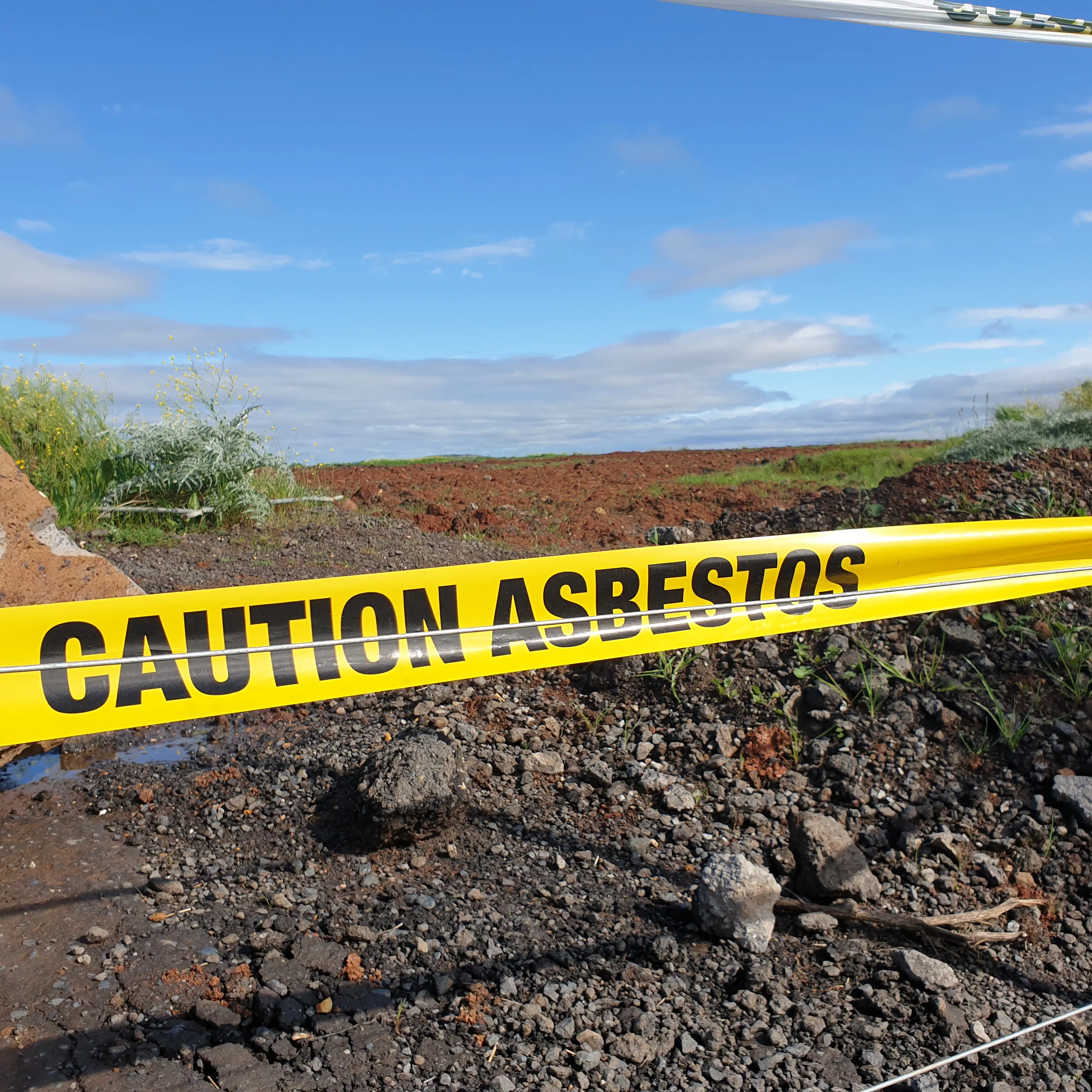
Forty hectares of critically endangered native grassland in Melbourne's west – Conservation Area 9 – were buried under asbestos-contaminated dirt by a developer, despite being identified for protection under a major state-federal plan. The site had been earmarked since 2013, but basic safeguards were never put in place. DEECA failed to act. The clearing reflects a wider pattern across Victoria's grasslands, of which less than 1% remains. Many conservation areas identified for protection are still not properly secured, leaving them vulnerable to ongoing degradation, neglect and clearing.
Responsible Body:
Melton City Council, Department of Energy, Environment, and Climate Action (DEECA), Environment Protection Authority Victoria (EPA)
Date of Instance:
January, 2022
Source:
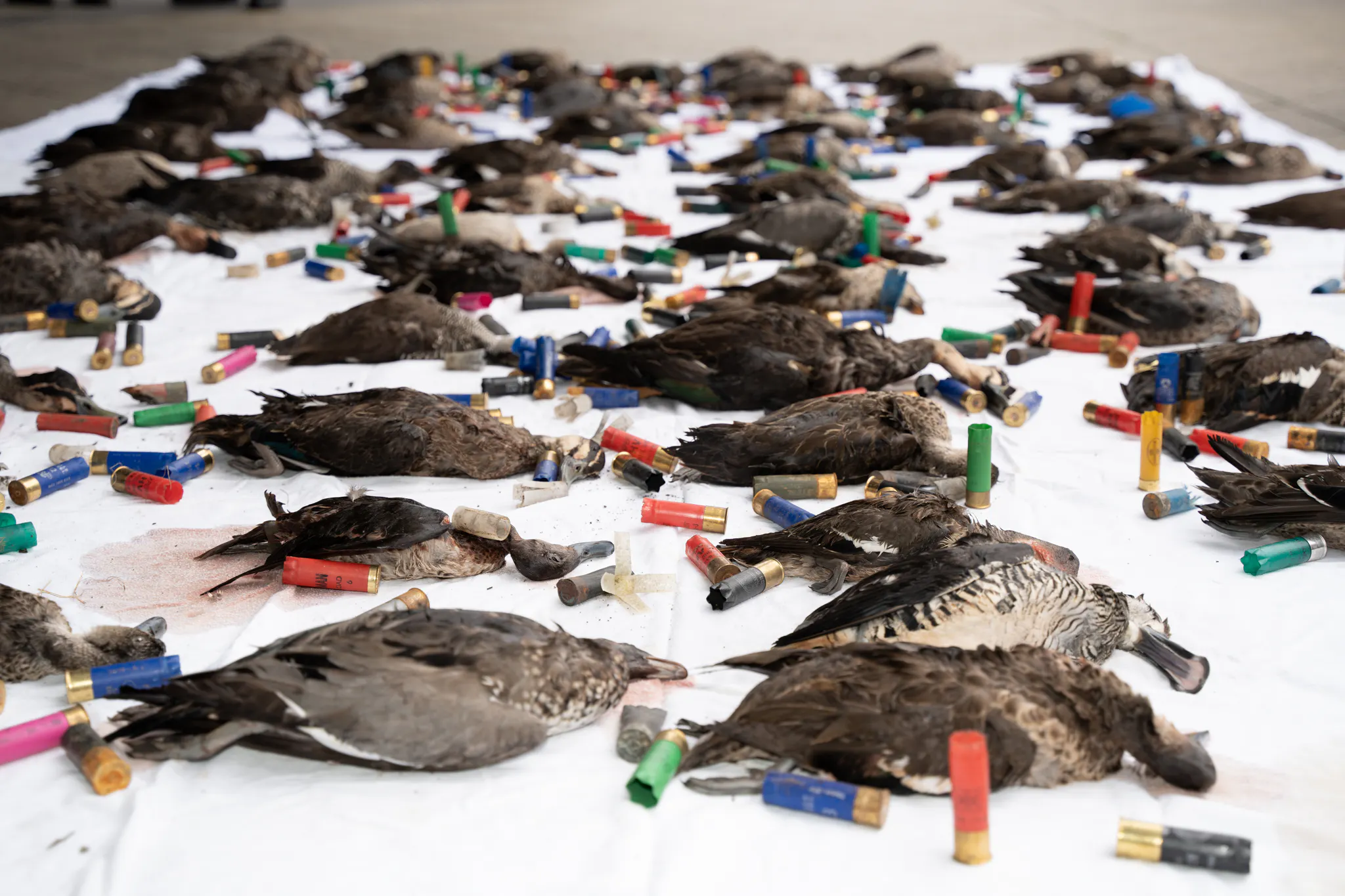
The Victorian Government has opted to continue allowing recreational duck shooting across Victoria's wetlands, ignoring a parliamentary inquiry that recommended ending the practice. The only changes introduced are increased training and stricter compliance – the practice itself stays. Shooters can still kill up to nine native waterbirds per day. Waterbird populations are in long-term decline, and birds threatened with extinction share these habitats, including freckled ducks and the blue-billed ducks. The government's decision to disregard its own inquiry leaves the killing and wounding of native waterbirds in place across shrinking wetlands statewide.
Responsible Body:
Victorian Government, Game Management Authority
Date of Instance:
March-June, 2026
Source:
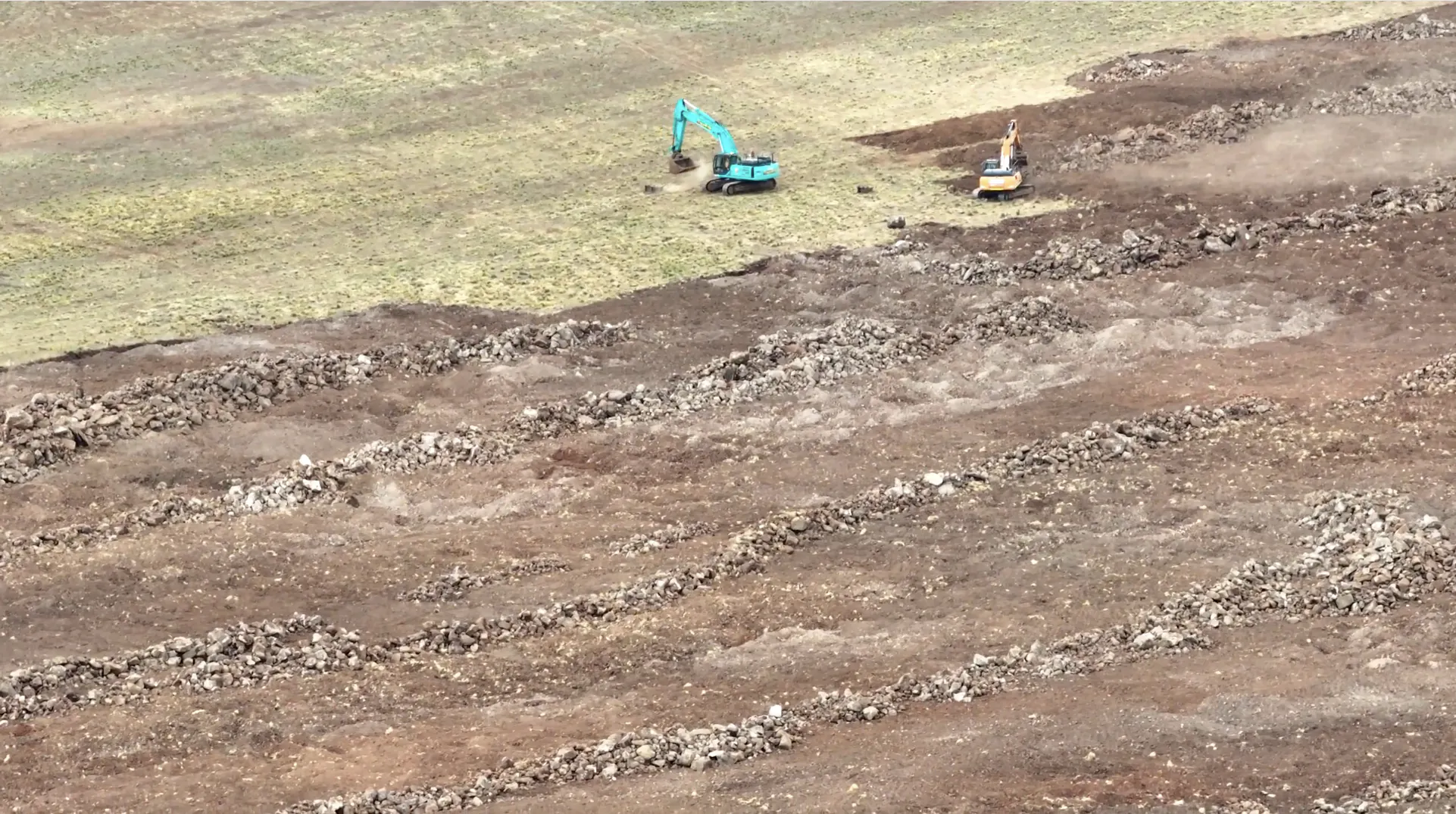
An irreplaceable patch of critically endangered grassland in Melbourne’s west has been bulldozed by a developer, despite being earmarked for protection within the Western Grassland Reserve. Around 40 hectares at Mount Cottrell were cleared, even though multiple protections applied and authorities were aware.
Responsible Body:
Melton City Council, Department of Energy, Environment, and Climate Action (DEECA)
Date of Instance:
Dec 2024-Jan 2025
Source: