Type
Location / Name
Description
Action

Victoria has reduced its frontline fisheries compliance capacity, with cuts to Fisheries Officers responsible for monitoring and enforcing fisheries rules across our bays and waterways.
At Mallacoota, there is now just one Fisheries Officer remaining, down from four positions following cuts by the Victorian Fisheries Authority in May 2025. Fisheries Officers are required to work in pairs for safety, raising a serious question about the capacity to undertake frontline compliance and enforcement when there is only one officer available.
Marine Parks are safe havens for abalone and other marine life, helping replenish nearby fish stocks for recreational fishers and preventing overfishing. Marine Sancturaries need Fisheries Officers to patrol and protect them.
Responsible Body:
Victorian Fisheries Authority
Date of Instance:
May 2025 till present
Source:
The Victorian Fisheries Authority is cutting more than half its frontline fisheries compliance officers across the state, with the heaviest impacts in Port Phillip Bay and Western Port Bay. Two fisheries stations are closing. The cuts strip enforcement capacity across busy marine waters and Victoria's marine national parks, leaving illegal fishing and poaching harder to detect and stop. Marine habitats and wildlife depend on the enforcement these officers were doing.

The projects involve cutting down hundreds of big old trees to make way for new infrastructure, which will send in just enough water to keep select parts of the floodplain on life support with levees and regulators. While some River Red Gums will be given the water they need, other habitats may be completely drowned, and some places will miss out on getting water at all. These projects will turn dynamic mosaics of floodplain habitat into big irrigation bays.

In 2017, the Victorian Environmental Assessment Council recommended reviewing Victoria's network of marine national parks and sanctuaries. Since then, the Victorian Government has maintained a policy of creating no new marine national parks. Victoria has the lowest level of no-take marine protection of any Australian state, with only 5% of waters fully protected. This leaves marine habitats and wildlife vulnerable.
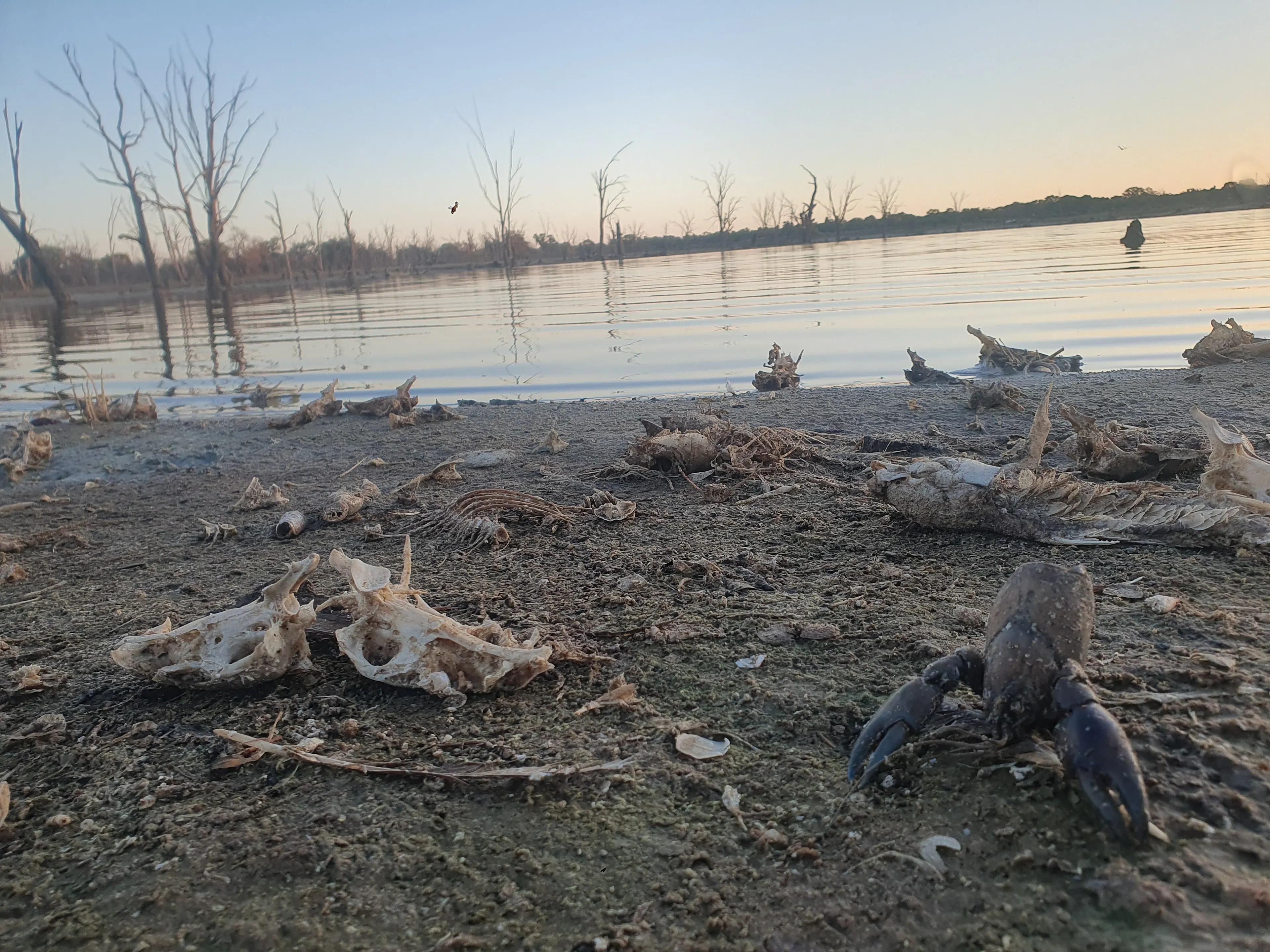
Australia’s largest river system, the Murray–Darling Basin, is in serious decline due to unsustainable water extraction for irrigation. Despite the 2012 Basin Plan, too much water is still diverted, leaving wetlands and habitats without enough water. Signs of stress include algal blooms, fish deaths, and declining biodiversity. Progress has been limited, with the Victorian government often pursuing costly, ineffective projects rather than meeting water recovery targets, contributing to the system’s ongoing deterioration.